Published - Fri, 12 Aug 2022
4 QUESTIONS TO ASK ABOUT HEARING TESTS

4 QUESTIONS TO ASK ABOUT HEARING TESTS

Taking a hearing test can be a nerve-wracking experience. It is important to note that most individuals are unclear about what to expect during their visit. However, going to the audiologist does not have to be a source of anxiety or trepidation. Instead, it should be regarded as an important initial step in ensuring that your hearing remains in outstanding condition.

The quickest and most effective way to eliminate that feeling of doubt is to ask the most essential questions before to taking your test. Here, we look at four questions which may put your mind at ease about your hearing test.

How Frequently Should I Have My Hearing Tested?

Most people under the age of 60 can get by with seeing an audiologist once every three to five years, depending on their circumstances. The progression of hearing loss and related disorders is expected to speed up once you reach the age of 60, which is why after this age they should have their hearing examined on a yearly basis.

These proposed time ranges, on the other hand, are only applicable to those who have normal hearing. As soon as you see any indicators of hearing loss, or if you suspect that your hearing is diminishing, you should schedule an appointment with an audiologist to get your hearing tested.

Do I Need To Do Anything Before My Hearing Test?

If you have any information pertaining to your hearing and health history, it might be a good idea to take it to your hearing checkup. Your audiologist will ask you about your medical background, family health history and lifestyle to get an idea of what may exacerbate hearing loss and how your life can be impacted by it. Having the answers to this can be helpful.

Although it is not required, you may want to avoid wearing headphones while listening to loud music or engaging in other activities that may cause a momentary change in your hearing. A substantial amount of noise could have an impact on the findings of your hearing test, potentially leading to an incorrect diagnosis.

What Happens During A Hearing Test?

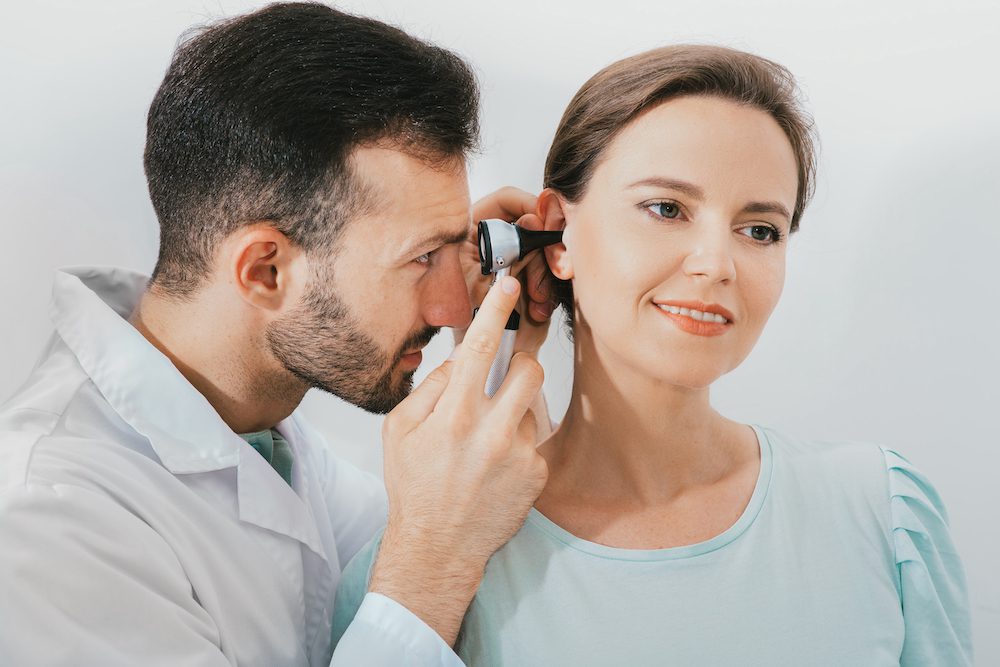
When you get a hearing test, an audiologist will conduct a variety of exams to examine every area of your hearing ability. This will begin with discussions and speech tests and then progress to a physical examination of your ears, which will include the middle ear and canal, as well as other areas.

If you have trouble hearing in noisy environments, the audiologist will use a variety of techniques to assess your ability to recognize pitches, recognize speech and identify sounds in a variety of environments. None of the tests will be painful, though, and the full operation is expected to take between one and three hours to complete. Of course, you may be asked to schedule another visit as soon as possible after that.

Is The Use Of Hearing Aids The Only Option?

When an audiologist examines you, the first thing that they will look for is hearing loss. If a problem is discovered, it is likely that hearing aids will be the recommended method of treatment for you. Due to the large number of devices available on the market, finding a comfortable device that restores hearing should not be too challenging.

Comments (0)

Search
Popular categories
Latest blogs
What Types Of Ear Protection Should You Consider?
On initial consideration, ear protection is often viewed as something that only select groups of people need to concern themselves with. For example, those who work on construction sites or industrial environments are advised to wear ear protection during working hours.However, while the above groups absolutely do need to consider ear protection, it is not just the people in these groups that need to be concerned. In truth, ear protection can benefit the hearing health of everyone; in this piece, we’ll explain why this is, and what types of ear protection you may wish to consider.Why Is Ear Protection So Important?It is a fairly well-known fact that exposure to loud noise can cause damage to hearing, but what is less well-known is just how common potentially-dangerous levels of sound are.Eighty-five decibels is considered to be the point at which sound can become harmful to hearing, and this level is really not that loud at all; most of us will encounter sound at this level on a regular basis. For example, the noise on a busy street busy can reach 85 decibels, using a lawnmower means exposure to over 90 decibels, while drills and other power tools can reach over 100 decibels. Additionally, certain entertainment events can easily cross the 85-decibel level; for example, anyone who goes to concerts or attends sporting events will be exposed to over 100 decibels – often for a prolonged period of time.This continual exposure to loud noise can increase the likelihood of developing what is known as noise-induced hearing loss. Loud noise damages the tiny hair cells in the inner ear; in time, this can mean that the hair cells die completely. Humans do not have the ability to regenerate these hair cells, so when they have been lost, permanent damage to hearing can develop.Ear protection is by far the best way of protecting your hearing against the impacts of the loud, excessive noise we are all exposed to on a regular basis.What Types Of Ear Protection Are Available?A variety of different types of ear protection have been developed in order to protect people against excessive sound levels, including:Foam earplugs: Are inserted into the ear and are effective at providing protection from loud noise. Most foam earplugs are only designed to be used once and then discarded. Wax balls: Are also single-use. They can be molded to fit the shape of your ear, which can make them more comfortable to wear and seal off the ear canal to prevent loud noises from reaching the inner ear. Silicone earplugs: Cover the ear canal (rather than being inserted into it) and are thought to be more comfortable to wear. As with the options discussed thus far, they are also considered to be single-use only. Banded earplugs: Are attached to a band that helps to keep them in place. The earplugs sit outside of the ear canal, rather than inside it; this offers less protection from loud noises, but can still be an effective method of protecting your hearing.Earmuffs: Are worn over the entire ear, with a band over the head keeping the cups in place. They tend to be comfortable to wear thanks to soft ear cushions and have the benefit of being reusable. Otoplastics: Are a solution that can last for many years. They are made from, as you might expect, plastic, and are custom-designed for the user.Deciding which type of ear protection you should use depends on a number of factors, such as how frequently you will need to use ear protection and the level of noise you will be exposed to. Your audiologist will be able to advise you further on which type might be most suitable for your individual requirements.When Should Ear Protection Be Worn?Essentially, at any time when it is likely that you will be exposed to noise over 85 decibels – so if you attend a sports event, a concert or work in a noisy environment, ear protection will always be the best choice for long-term hearing health.Most of us are exposed to environments that are potentially loud enough to damage hearing far more often than we realize. Choosing one of the aforementioned types of ear protection and using these whenever you are exposed to sounds over 85 decibels is highly recommended, and can help to protect the health of your hearing in the future.

Sat, 13 Aug 2022

HOW DO HEARING AIDS HELP WITH TINNITUS?
Tinnitus is a common auditory symptom experienced by numerous Americans across the country. According to the US Centers for Disease Control, about 15% of the general population experiences some form of tinnitus. Although tinnitus is not regarded as a disease, it can affect your daily activities significantly. Fortunately, there are various treatments to help you deal with the sensation of tinnitus and help put your life on track – a common one being hearing aids. This article takes a quick look at how hearing aids help tinnitus.What Is Tinnitus?Before discussing how hearing aids help tinnitus, it is essential to look at what tinnitus is, its causes and its symptoms. Tinnitus is the ringing of the ear. Many living with tinnitus also describe hearing a hissing, whistling, roaring or clicking sound. Usually, it is assumed that experiencing tinnitus is an indication of pending hearing loss. However, this is quite untrue as many experts have noted that this symptom is associated with hearing loss and necessarily the cause of it. The causes of tinnitus are vast. In many cases, a lifestyle of being exposed to constant loud noises such as working on a construction site or listening to music at high volumes has been a cause of tinnitus. Certain antibiotics, aspirin and anti-inflammatory medications have been known to cause tinnitus. Another common cause of tinnitus is old age. As you age, your ear health declines as various parts of the auditory system, such as the cochlea, begin to deteriorate. Various diseases such as allergies, cardiovascular diseases and diabetes can also create the sensation of tinnitus. In many cases, people experiencing tinnitus would feel a ringing, clicking, hissing or buzzing sound that no one else can hear. These sounds may be loud and could be for a short period or an entire day. Tinnitus is treatable using various techniques and devices, such as hearing aids.How Do Hearing Aids Help With Tinnitus?Although hearing aids have been a great solution to helping people with hearing loss, various properties of these devices make them a great solution for tinnitus. Hearing aids give the wearer the ability to control the amount of noise around them. This is advantageous for people experiencing tinnitus as they can amplify the sounds around them to drown out the ringing in their ears. This is because the brain is forced to focus on clearer background noises and not the ringing. Another way hearing aids help with tinnitus is that it offers tinnitus therapy. Over the years, hearing aids have been upgraded to make the life of wearers easier and enjoyable. Certain hearing aids produce white sounds to drown out or decrease the sound of the tinnitus. This, in turn, helps the brain tone down the effects of the tinnitus symptoms every day.The type of hearing aids you would need would depend on several factors, such as your age, the type of tinnitus and its severity. You should speak to an audiologist for expert advice and consultation.

Fri, 12 Aug 2022

HOW TO TELL IF YOUR HEARING AIDS ARE OUTDATED
When you start noticing glitches or issues with your hearing aid it may be time to start looking into new options. Your hearing aids will have a particular lifespan of approximately five years, this is mainly due to daily wear and tear. The best thing you can do is be aware of how they are working for you and note down any changes you notice. Hearing aids are much like tiny computers and they’ll need to be rebooted, replaced and upgraded every so often so that they can do their intended job.Although they sound rather complex, the most important thing is that they can help to improve your quality of life and hear better. If you are wondering whether your hearing aids are outdated, here are a handful of things to look out for.Your Heading Aid Has Stopped Working AltogetherSometimes hearing aids can stop working completely and may need to be replaced. Before you jump to conclusions, make sure that the battery is charged up and you have reset your hearing aids. In some cases, you may need a new battery or you may need a completely new device. Speak with your audiologist if you notice that your hearing aids stop working altogether.Hearing Goes In And OutIn and out hearing and glitches in the sound quality are a clear-cut sign that your hearing aids may be due an upgrade. This could be an issue with the battery, so make sure it’s fully charged. If you notice something different about the noises or the sounds then you may require an upgrade.Strange Noises Or WhistlingWhen hearing aids start to make a whistling sound, it could mean that your upgrade is around the corner. Before you get to this point, you may want to check that there has been no wax build up in the area and place it back into your ear carefully. If this technique doesn’t work seek out advice from your audiologist. A Change In Your HearingIf you notice a deterioration in your hearing, then it’s definitely time for a hearing aid upgrade. It may be that you require a different model that accommodates your needs, or you simply need to change the settings on your current device. If you ever notice a change in your hearing book, make an appointment with your audiologist as soon as possible. What To Do With Outdated Hearing AidsIf you suspect that your hearing aids are becoming outdated then it’s important to contact your audiologist for advice and support. In most cases, they will schedule an appointment with you, check your hearing and reassess your everyday needs. After they have gathered all of the information they require, they will be able to recommend a new type of hearing aid suited to your needs.In some cases, you may need a similar hearing aid, but in a newer model so that it works more efficiently. As long as you remain open minded and aware of any ongoing changes with regards to your hearing aids, you will soon be able to have the best possible device for you.

Fri, 12 Aug 2022

All blogs